
Health
Skip the Germs: The Science of Staying Clean in a Microbe-Filled World

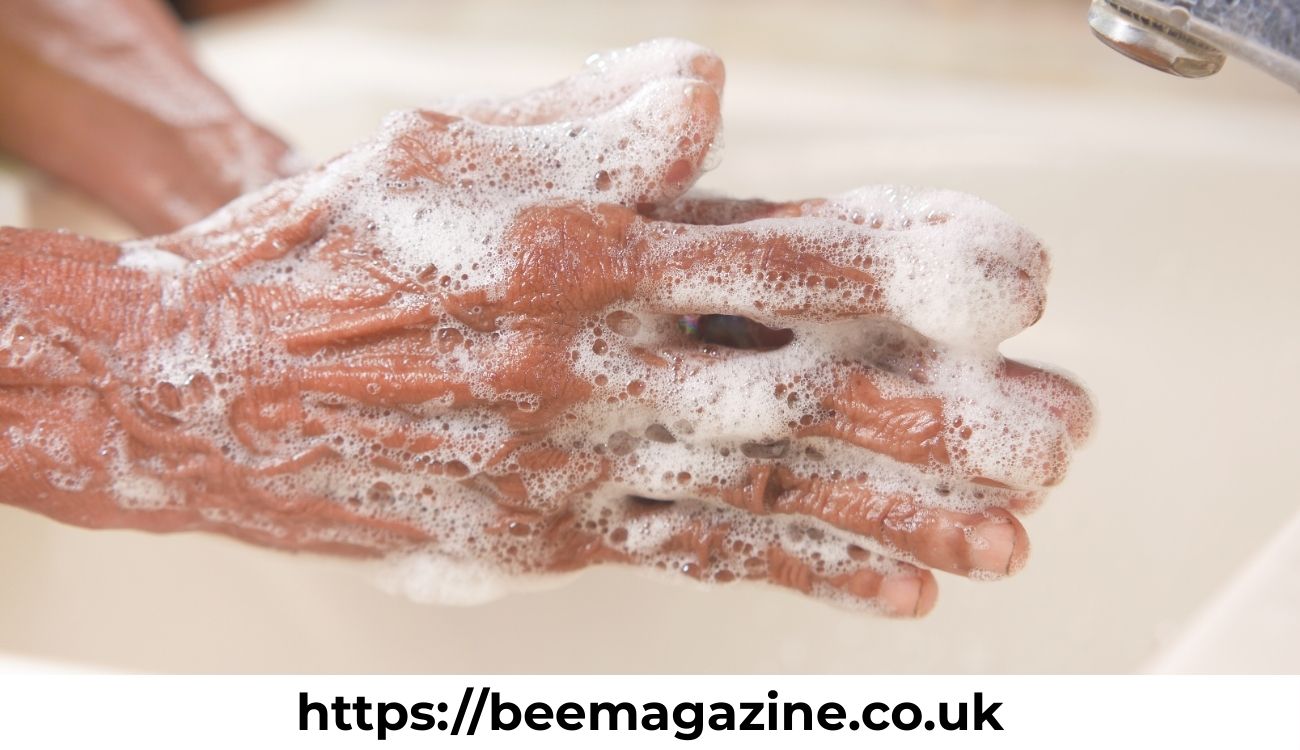
We live in an invisible battleground—one where bacteria, viruses, and other pathogens thrive on surfaces, in the air, and even on our skin. The phrase “Skip the Germs“ isn’t just a catchy hygiene reminder; it’s a proactive call to understand and avoid illness-causing microorganisms in everyday life. Recent studies reveal that despite global awareness post-pandemic, many people still underestimate the ways in which germs spread—and more importantly, how to truly skip them.
This article explores the latest science behind germ transmission, hygiene myths debunked by new research, and practical, evidence-based methods to maintain a clean environment without over-sanitizing or compromising immunity.
Understanding the Germ Spectrum: Not All Microbes Are Harmful
Before diving into prevention, it’s crucial to understand that not all germs are bad. In fact, our bodies depend on trillions of beneficial microbes for digestion, immunity, and even mental health. However, the challenge lies in distinguishing friendly microbes from harmful pathogens like Escherichia coli, Staphylococcus aureus, Influenza viruses, and emerging threats like Candida auris—a multi-drug resistant fungus recently classified as an urgent threat by the CDC in 2024.
“Skip the Germs” doesn’t imply sterilizing everything. It means reducing exposure to disease-causing agents while preserving beneficial bacteria—a balance modern science now understands better than ever before.
How Germs Spread: Beyond Coughs and Sneezes
Airborne transmission is just one way pathogens spread. Recent 2024 research from the University of Toronto shows that fomites—contaminated objects and surfaces—play a much larger role than previously thought. Smartphones, elevator buttons, shopping cart handles, and even reusable water bottles can harbor millions of pathogens if not cleaned regularly.
Germ transmission routes include:
-
Contact transmission: Direct skin contact or indirect contact via objects.
-
Droplet transmission: Coughs, sneezes, and talking.
-
Aerosol transmission: Fine particles that can linger in air for hours.
-
Fecal-oral route: Improper handwashing post restroom use.
Understanding these vectors allows for smarter behavior changes—central to the “Skip the Germs” philosophy.
The Hidden Germ Havens in Your Daily Routine
According to a 2024 study by the Global Hygiene Council, some of the dirtiest items in daily use include:
-
Kitchen sponges (harboring over 362 different bacterial species)
-
Toothbrush holders
-
Gym equipment
-
Pet bowls
-
Office desks
What’s surprising is that these items are often overlooked during routine cleaning. Germs thrive in warm, moist environments, and daily contact spreads them. The recommendation? Sanitize high-touch personal items weekly and be cautious of communal spaces.
Why Over-Sanitizing Can Backfire
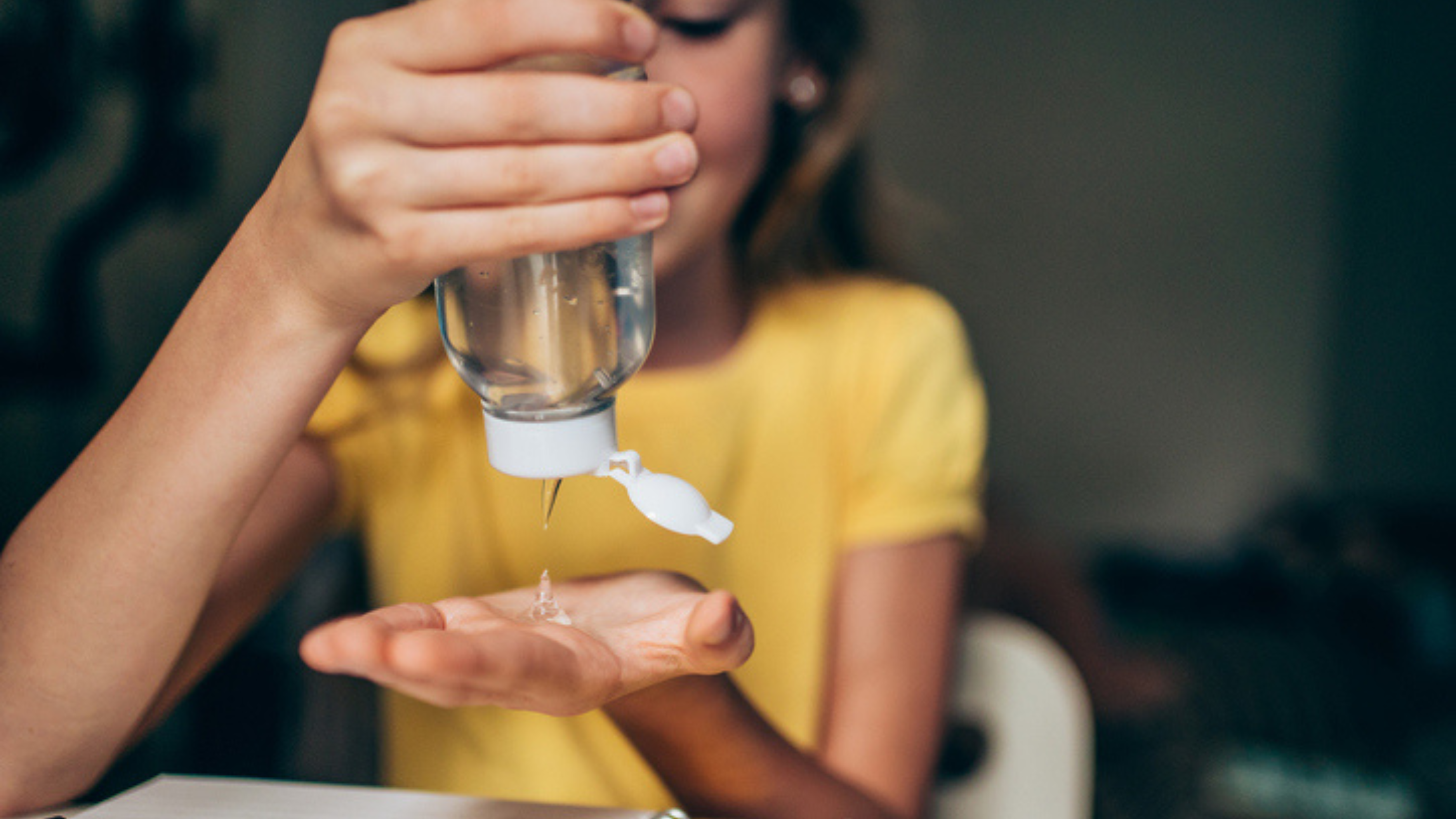
Contrary to popular belief, constant sanitizing may not always be beneficial. A 2024 Harvard-led clinical review indicates that overuse of alcohol-based sanitizers and antimicrobial products may contribute to microbial resistance and skin microbiome imbalance.
Children exposed to ultra-clean environments also have higher rates of allergies and asthma, supporting the hygiene hypothesis. Thus, “Skip the Germs” doesn’t mean living in a sterile bubble—it means targeted hygiene, focused on times and places of greatest risk, such as:
-
Before eating
-
After restroom use
-
After public transport
-
When caring for someone ill
Smart Hand Hygiene: Still the #1 Defense
Handwashing remains the most effective way to skip germs. But are we doing it right?
A 2025 study published in The Lancet Infectious Diseases revealed that only 38% of people wash their hands long enough, and only 19% use proper technique. For effective germ removal, follow the CDC’s 20-second rule with warm water and soap, ensuring friction on all parts of the hands.
Additionally, drying is just as important. Damp hands transfer 1,000 times more bacteria than dry ones. So, skipping hand drying means you’re not skipping the germs.
The Rise of UV Technology in Germ Prevention
Recent advancements have made ultraviolet-C (UV-C) technology more accessible for home and public use. UV-C light can deactivate 99.9% of viruses and bacteria, including SARS-CoV-2, in under 30 seconds.
2024 saw a surge in portable UV-C sanitizers for phones, keyboards, and even toothbrushes. Hospitals have long used UV-C robots for room disinfection, but the future may include built-in UV-C systems in air ducts, elevators, and even public transportation.
Germ-Conscious Travel: What’s Changed Post-2024
Travel hygiene standards have evolved drastically. Airlines now incorporate HEPA air filtration, while hotels offer contactless check-in and enhanced sanitation protocols. However, travelers must still take personal responsibility.
Practical tips for skipping germs while traveling:
-
Use disposable seat covers or disinfectant wipes on plane trays and armrests
-
Carry personal cutlery and water bottles
-
Wash hands after handling passports, tickets, or money
These habits are no longer excessive—they are now standard self-care practices.
Household Habits That Help You Skip the Germs

“Skip the Germs” begins at home. A 2024 meta-analysis shows that families who implement structured cleaning schedules see 40% fewer seasonal illnesses.
Key tips:
-
Replace kitchen sponges every 5–7 days
-
Wash bedding every 7–10 days at 60°C (140°F)
-
Sanitize doorknobs, light switches, and remotes weekly
-
Use color-coded cleaning cloths for different rooms
These low-effort habits make a high impact when practiced consistently.
The Role of Indoor Air Quality in Germ Spread
Poor air circulation allows pathogens to accumulate. Since people spend over 90% of their time indoors, indoor air hygiene is critical.
Innovations in 2024 include:
-
HEPA + activated carbon filters for homes
-
Smart purifiers that adjust in real-time based on air quality sensors
-
Natural air purifiers like spider plants and peace lilies
Maintaining humidity levels between 40%–60% also helps reduce virus survival, especially in colder months.
School and Workplace Hygiene: What’s Working?
Educational institutions and corporate offices are investing in touch-free technology—automatic doors, voice-activated elevators, and motion-sensor dispensers.
Remote work has also reduced cross-infection, but in-person environments still need protocols:
-
Disinfect shared devices daily
-
Provide employees/students with personal protective kits
-
Offer hygiene workshops regularly
Empowered environments lead to empowered individuals who actively “skip the germs.”
Immunity Support: Germ Prevention from Within
Skipping germs isn’t just about the external environment—it also involves strengthening your internal defenses. In 2024, researchers identified that gut microbiome diversity is a direct predictor of immune responsiveness.
Support your immune system by:
-
Eating fermented foods (e.g., kefir, sauerkraut)
-
Getting 7–9 hours of sleep
-
Managing stress (chronic cortisol weakens immunity)
-
Taking probiotic supplements, if advised by a healthcare provider
Your immunity is your first responder—and it needs support to do its job.
The Future of Germ Prevention: What’s Next?
The next frontier in germ control involves artificial intelligence and smart materials. Surfaces that self-sanitize, toilets that analyze pathogens in real time, and AI-driven public health alerts will soon redefine cleanliness.
By 2026, smart toilets capable of detecting E. coli or norovirus may help prevent outbreaks before they start. Similarly, wearable biosensors could alert users when they’ve been exposed to harmful bacteria.
In essence, “Skip the Germs” is evolving from a personal mantra to a societal framework, powered by technology and awareness.
Conclusion
Avoiding germs is no longer about obsessive cleaning—it’s about smart, intentional behavior. The “Skip the Germs” mindset involves understanding risks, following science-backed practices, and embracing innovations that support a healthier world.
From UV tech to better handwashing, from gut health to smart homes—the tools are here. The question is: will we choose to use them? In an age of global travel and emerging pathogens, skipping germs might just be the smartest step toward a safer, longer life.

Planning Coordinated Wedding Suits for the Groom and Groomsmen

How Certified Menopause Fitness Coaching Supports Midlife Fitness

How to Design a Garden That Works for Every Season

Certified CPR Training for Workplace and Safety Compliance

How To Create Tote Bags in 2026: A Step-by-Step Guide on Using Design Tools

Upgrade Your Running Performance with Watch GT Runner 2 Technology

Nervous Patients Are loving The “Calm Approach” at This Dentist Sunderland

Dentist Gateshead Explained, From Routine Checkups to Advanced Care

Assisted Living Insights: Balancing Care and Personal Freedom

The Art Deco kitchen: cooking and baking in glittering sophistication

Mary Marquardt: The Untold Story of Harrison Ford’s First Wife

How Old Is Roux Lopez? WWE Stars Becky Lynch & Seth Rollins’ Daughter

Kim Sexton Mattingly: The Woman Behind MLB Legend Don Mattingly

Ellen van Lochem: The Quiet Force Behind AC/DC Legend Angus Young

How Old Is Marina Pearl LeBlanc? All About Matt LeBlanc’s Only Child

Ringwood Church Services, Events and How to Get Involved

Raquel Pedraza: Former Tennis Player and Taylor Fritz’s Ex-Wife

Jacelyn Reeves: The Private Life of Scott Eastwood’s Mother

Who Is Norma Gibson? Ex-Wife of Tyrese Gibson Explained

Zing-Ci Leung About: Life Before and After Donnie Yen
Planning Coordinated Wedding Suits for the Groom and Groomsmen
How Certified Menopause Fitness Coaching Supports Midlife Fitness
How to Design a Garden That Works for Every Season
Certified CPR Training for Workplace and Safety Compliance
How To Create Tote Bags in 2026: A Step-by-Step Guide on Using Design Tools
Upgrade Your Running Performance with Watch GT Runner 2 Technology
Nervous Patients Are loving The “Calm Approach” at This Dentist Sunderland
Dentist Gateshead Explained, From Routine Checkups to Advanced Care
Assisted Living Insights: Balancing Care and Personal Freedom
The Art Deco kitchen: cooking and baking in glittering sophistication
-
 Celebrity1 year ago
Mary Marquardt: The Untold Story of Harrison Ford’s First Wife
-
 Celebrity1 year ago
How Old Is Roux Lopez? WWE Stars Becky Lynch & Seth Rollins’ Daughter
-
 Celebrity1 year ago
Kim Sexton Mattingly: The Woman Behind MLB Legend Don Mattingly
-
 Celebrity1 year ago
Ellen van Lochem: The Quiet Force Behind AC/DC Legend Angus Young