
Food
Grass Fed Beef Tallow in Home Storage & Preservation

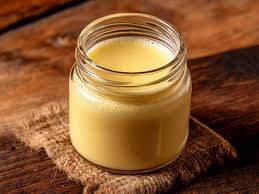
Grass fed beef tallow is gaining popularity as a versatile and natural product for both culinary and non-culinary uses. Made from the fat of cattle that eat grass, this type of tallow is known for its rich flavor and nutritional benefits. As more people seek natural and sustainable options, grass fed beef tallow has become popular for cooking and skincare.
In this article, we’ll look into what grass fed beef tallow is, its origins, and the reasons behind its rising popularity. We’ll also cover how to store and keep it fresh, as well as its diverse uses. From culinary applications to cosmetic benefits, and even the environmental advantages of choosing grass fed options, we’ll explore all these topics in detail.
Understanding Grass Fed Beef Tallow
Grass fed beef tallow is a type of rendered fat that comes from cattle raised on grass diets. Unlike grain-fed cattle, grass fed cattle are allowed to graze in open pastures, which not only contributes to the quality of the tallow but also helps sustainable farming. This natural process results in a product that is both nutritious and environmentally friendly.
Beef tallow is rich in vitamins such as A, D, E, and K, which are all crucial for maintaining good health. Additionally, it contains healthy fats that can support heart health and provide a source of energy. These nutritional benefits make grass fed beef tallow a preferred choice for those looking to incorporate healthier fats into their diet.
As we continue, we’ll explore how this versatile product can be utilized in various ways, from cooking to skincare, and how its production supports sustainable agricultural practices.
Benefits and Uses of Grass Fed Beef Tallow
Grass fed beef tallow is gaining recognition for its numerous benefits and versatile uses. Made from cattle that only eat grass, this type of tallow is known for its nutritional advantages, culinary versatility, and positive environmental impact.
- Health Benefits: Grass fed beef tallow is rich in healthy fats, including conjugated linoleic acid (CLA) and omega-3 fatty acids, which are beneficial for heart health. It also contains vitamins A, D, E, and K, which support overall wellness.
- Culinary Uses: This tallow is a favorite in the kitchen due to its high smoke point, making it ideal for frying, roasting, and sautéing. Its rich flavor enhances dishes, giving a unique taste to everything from vegetables to meats.
- Cosmetic Applications: Grass fed tallow is celebrated for its moisturizing properties, making it a popular ingredient in natural skincare products. Many people use grass fed tallow for skin care, as it helps maintain hydration and supports skin health.
- Environmental Impact: The practice of raising grass-fed cattle is often considered more sustainable than conventional methods.
How to Render and Make Your Own Tallow
Making your own grass fed beef tallow at home gives you a pure and high-quality product. Here’s a simple guide to help you get started:
- Gather Materials: You will need beef fat trimmings, a large pot, a strainer, and storage containers.
- Prepare the Fat: Cut the beef fat into small pieces to help it render evenly.
- Render the Fat: Place the fat pieces in a large pot over low heat. Allow the fat to melt slowly, stirring occasionally to prevent burning.
- Strain the Tallow: Once all the fat has melted, strain it through a fine mesh strainer to remove any solids.
- Store the Tallow: Pour the liquid tallow into clean, dry containers. Let it cool and solidify at room temperature before sealing.
Remember to take safety precautions, such as using a low heat setting and working in a well-ventilated area to avoid any hazards during the rendering process.
Storing Grass Fed Beef Tallow
Storing grass fed beef tallow properly keeps it fresh longer. Here are some best practices to ensure your tallow remains fresh and usable:
- Containers: Use airtight containers to store tallow. Glass jars with tight-fitting lids are ideal as they prevent air and moisture from affecting the tallow.
- Temperature: Store tallow in a cool, dark place. A pantry or cupboard away from direct sunlight and heat sources is perfect. For long-term storage, consider refrigeration or freezing.
- Light Exposure: Avoid exposing tallow to light, as it can cause the fat to degrade. Using opaque or dark-colored containers can help protect it from light.
By following these storage tips, you can ensure that your grass fed beef tallow remains fresh and ready for use whenever you need it.
Grass Fed Tallow Bulk Buying Tips
Purchasing grass fed tallow in bulk can be a cost-effective and convenient option. Here are some tips to help you make the best choice when buying in bulk:
- Quality: Look for high-quality, pure tallow. Check for labels indicating organic or grass fed beef tallow to ensure you’re getting a product that meets your standards.
- Sourcing: Research the supplier to ensure their practices align with sustainable and ethical farming. This not only supports better farming practices but also ensures a healthier product.
- Packaging: Ensure that the tallow is packaged in safe, food-grade materials. This is important for maintaining the quality and safety of the product during storage.
- Storage Space: Consider your storage capacity before buying in bulk. Ensure you have enough space to store the tallow properly, whether in a pantry, refrigerator, or freezer.
Culinary professionals and home cooks can purchase bulk grass-fed tallow from Golden Age Fats, US Wellness Meats, or White Oak Pastures.
Why Choose Organic Grass Fed Beef Tallow?
When considering the best options for your health and the environment, organic grass fed beef tallow is a great choice. Here’s why:
- Health Benefits: Organic grass fed beef tallow is free from synthetic additives and chemicals, making it a healthier alternative to conventional tallow. It provides essential nutrients, like vitamins A, D, E, and K, that are beneficial for overall well-being.
- Environmental Impact: Choosing organic options supports sustainable farming practices. Organic farming enhances soil health and reduces pollution, contributing to a healthier planet. This aligns with the growing preference for sustainable practices in agriculture.
- Ethical Considerations: Organic farming often ensures better animal welfare standards. Cattle are raised in humane conditions, with access to pasture, which promotes their natural behaviors and reduces stress.
By opting for organic grass fed beef tallow, you are making a choice that benefits your health, supports ethical farming practices, and contributes to environmental sustainability.
Summary and Next Steps
In this article, we explored the numerous benefits and applications of grass fed beef tallow, from its health advantages to its environmental impact. We also discussed how to render your own tallow, the best storage practices, and the advantages of buying in bulk.
Grass-fed beef tallow is a versatile and sustainable option that can enhance your culinary and cosmetic routines. We encourage you to consider incorporating it into your lifestyle for its numerous benefits.
Embrace the potential of grass-fed beef tallow and make a positive impact on your health and the environment.

Upgrade Your Running Performance with Watch GT Runner 2 Technology

Nervous Patients Are loving The “Calm Approach” at This Dentist Sunderland

Dentist Gateshead Explained, From Routine Checkups to Advanced Care

Assisted Living Insights: Balancing Care and Personal Freedom

The Art Deco kitchen: cooking and baking in glittering sophistication

How to Structure a Business Case Study for UK Masters Programmes

How Startups Use CapCut AI Writer to Build Strong Brand Messaging

Grass Fed Beef Tallow in Home Storage & Preservation

Best AI Face Swap Tool of 2026: Top Picks for Realistic Video & Photo Editing

AI Agents and AI Workflow Automation Trends Shaping Modern Enterprises

Mary Marquardt: The Untold Story of Harrison Ford’s First Wife

How Old Is Roux Lopez? WWE Stars Becky Lynch & Seth Rollins’ Daughter

Ellen van Lochem: The Quiet Force Behind AC/DC Legend Angus Young

Kim Sexton Mattingly: The Woman Behind MLB Legend Don Mattingly

Raquel Pedraza: Former Tennis Player and Taylor Fritz’s Ex-Wife

Zing-Ci Leung About: Life Before and After Donnie Yen

How Old Is Marina Pearl LeBlanc? All About Matt LeBlanc’s Only Child

Jacelyn Reeves: The Private Life of Scott Eastwood’s Mother

Who Is Norma Gibson? Ex-Wife of Tyrese Gibson Explained

How Old Is Evelyn Melendez, Wife of Jordan Knight from NKOTB?
Upgrade Your Running Performance with Watch GT Runner 2 Technology
Nervous Patients Are loving The “Calm Approach” at This Dentist Sunderland
Dentist Gateshead Explained, From Routine Checkups to Advanced Care
Assisted Living Insights: Balancing Care and Personal Freedom
The Art Deco kitchen: cooking and baking in glittering sophistication
How to Structure a Business Case Study for UK Masters Programmes
How Startups Use CapCut AI Writer to Build Strong Brand Messaging
Grass Fed Beef Tallow in Home Storage & Preservation
Best AI Face Swap Tool of 2026: Top Picks for Realistic Video & Photo Editing
AI Agents and AI Workflow Automation Trends Shaping Modern Enterprises
-
 Celebrity9 months ago
Mary Marquardt: The Untold Story of Harrison Ford’s First Wife
-
 Celebrity10 months ago
How Old Is Roux Lopez? WWE Stars Becky Lynch & Seth Rollins’ Daughter
-
 Celebrity10 months ago
Ellen van Lochem: The Quiet Force Behind AC/DC Legend Angus Young
-
 Celebrity10 months ago
Kim Sexton Mattingly: The Woman Behind MLB Legend Don Mattingly