
Business
Planning Coordinated Wedding Suits for the Groom and Groomsmen

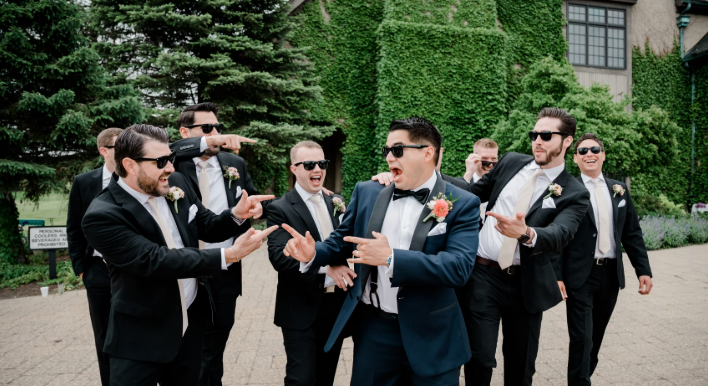
A coordinated wedding party does not require every man to wear an identical outfit. The groom may need a point of distinction, while groomsmen with different builds need cuts that fit them properly. Decide which elements will be shared: perhaps suit colour and tie, or the same trousers and jacket with a different groom’s waistcoat.
Write the decision down before anyone orders. Group chats quickly become confusing when navy, blue and ink are used as if they mean the same thing. Product name, colour, cloth and retailer should be recorded, along with the agreed shirt and shoe colours. This prevents an accidental mixture that only becomes obvious in photographs.
Ordering Wedding suits with enough time
Browse wedding suits early enough to handle sizing, delivery and alterations without urgency. TruClothing’s collection includes a wide choice of three-piece, tweed, checked and plain designs, but availability can change by size. Select the core style before finalising accessories, because ties and pocket squares are easier to source than matching tailoring.
For a group, set a firm measurement and ordering deadline. Men should measure their chest, waist and inside leg rather than relying on the size of an old suit. Ask everyone to try on the complete order promptly, keeping labels and packaging intact until the fit has been checked.
Give the groom a clear but controlled difference
The groom can wear the same suit with a contrasting waistcoat, a different tie or a distinct boutonniere. Another option is to place the groom in a three-piece while groomsmen wear the matching jacket and trousers. This reads clearly in person and in photographs without making the party look disconnected.
Avoid giving the groom every available extra at once. A different waistcoat, patterned tie, pocket watch, lapel pin and unusual shoes can overwhelm the tailoring. One principal difference and one small floral detail are often sufficient. The groom should remain comfortable with the choice rather than feeling dressed as a character.
Fit different builds consistently
Consistency comes from shared colour and styling, not from forcing every man into the same cut. One groomsman may need a regular fit while another is comfortable in slim tailoring. What viewers notice is whether shoulders sit correctly, trousers break neatly and jackets close without strain. Small variations in cut are less distracting than visible poor fit.
Use a tailor for sleeve and trouser length, waist suppression and other manageable adjustments. Do not expect alterations to rescue badly fitting shoulders. If a member of the party is between sizes, allowing more room usually creates better alteration options than choosing a jacket that already pulls.
Agree on shirts, shoes and accessories
White shirts are easiest to match across different shops and provide a consistent base. If choosing ivory, cream or pale blue, order the shirts together where possible because shade differences can show in group photographs. Specify collar style only if it affects the planned tie or bow tie. Comfort and correct neck size matter through a long day.
Shoes need not be the same model, but they should share colour and a similar level of formality. Mixed tan, dark brown and black footwear can fragment the group. Ask for polished dark brown with navy or textured earthy suits, or black with charcoal and more formal dark tailoring. Socks should be long enough to cover the leg while seated.
Schedule a group fitting and final check
Arrange a fitting several weeks before the wedding, even if some members must join by video. Each person should wear the intended shirt and shoes. Check shoulders, sleeve length, trouser hem and waistcoat coverage. Photograph the outfits in ordinary light and note every alteration beside the correct name.
One week before the ceremony, confirm that alterations are complete and accessories have arrived. Assign someone other than the groom to bring spare collar stays, a lint roller, safety pins and a clothes brush. This person can also check that pocket squares and boutonnieres are positioned consistently before photographs.
Keep ownership and returns organised
Label garment bags discreetly so similar sizes are not exchanged on the morning. Each bag should contain the correct jacket, trousers and waistcoat, with accessories stored separately to prevent snagging. Decide whether suits are gifts, personal purchases or hired-equivalent group expenses before orders are placed. Clear expectations avoid awkward conversations later.
After the wedding, each wearer should air and brush the suit before storage and follow its care label. A coordinated outfit has more value when it can be worn again. By choosing a usable colour and keeping accessories removable, the party gains formalwear for future dinners, races and weddings rather than a uniform tied to one photograph.
Keep a record of each suit’s care instructions and any alterations. If a jacket button loosens or a trouser hem drop, dealing with it before the next invitation prevents a hurried repair. Those simple notes are especially useful when several similar garment bags remain in the same household.

Planning Coordinated Wedding Suits for the Groom and Groomsmen

How Certified Menopause Fitness Coaching Supports Midlife Fitness

How to Design a Garden That Works for Every Season

Certified CPR Training for Workplace and Safety Compliance

How To Create Tote Bags in 2026: A Step-by-Step Guide on Using Design Tools

Upgrade Your Running Performance with Watch GT Runner 2 Technology

Nervous Patients Are loving The “Calm Approach” at This Dentist Sunderland

Dentist Gateshead Explained, From Routine Checkups to Advanced Care

Assisted Living Insights: Balancing Care and Personal Freedom

The Art Deco kitchen: cooking and baking in glittering sophistication

Mary Marquardt: The Untold Story of Harrison Ford’s First Wife

How Old Is Roux Lopez? WWE Stars Becky Lynch & Seth Rollins’ Daughter

Kim Sexton Mattingly: The Woman Behind MLB Legend Don Mattingly

Ellen van Lochem: The Quiet Force Behind AC/DC Legend Angus Young

How Old Is Marina Pearl LeBlanc? All About Matt LeBlanc’s Only Child

Ringwood Church Services, Events and How to Get Involved

Raquel Pedraza: Former Tennis Player and Taylor Fritz’s Ex-Wife

Jacelyn Reeves: The Private Life of Scott Eastwood’s Mother

Who Is Norma Gibson? Ex-Wife of Tyrese Gibson Explained

Zing-Ci Leung About: Life Before and After Donnie Yen
Planning Coordinated Wedding Suits for the Groom and Groomsmen
How Certified Menopause Fitness Coaching Supports Midlife Fitness
How to Design a Garden That Works for Every Season
Certified CPR Training for Workplace and Safety Compliance
How To Create Tote Bags in 2026: A Step-by-Step Guide on Using Design Tools
Upgrade Your Running Performance with Watch GT Runner 2 Technology
Nervous Patients Are loving The “Calm Approach” at This Dentist Sunderland
Dentist Gateshead Explained, From Routine Checkups to Advanced Care
Assisted Living Insights: Balancing Care and Personal Freedom
The Art Deco kitchen: cooking and baking in glittering sophistication
-
 Celebrity1 year ago
Mary Marquardt: The Untold Story of Harrison Ford’s First Wife
-
 Celebrity1 year ago
How Old Is Roux Lopez? WWE Stars Becky Lynch & Seth Rollins’ Daughter
-
 Celebrity1 year ago
Kim Sexton Mattingly: The Woman Behind MLB Legend Don Mattingly
-
 Celebrity1 year ago
Ellen van Lochem: The Quiet Force Behind AC/DC Legend Angus Young